
Bett London 2026: Shaping the Future of Education Through AI, Innovation & Global Collaboration

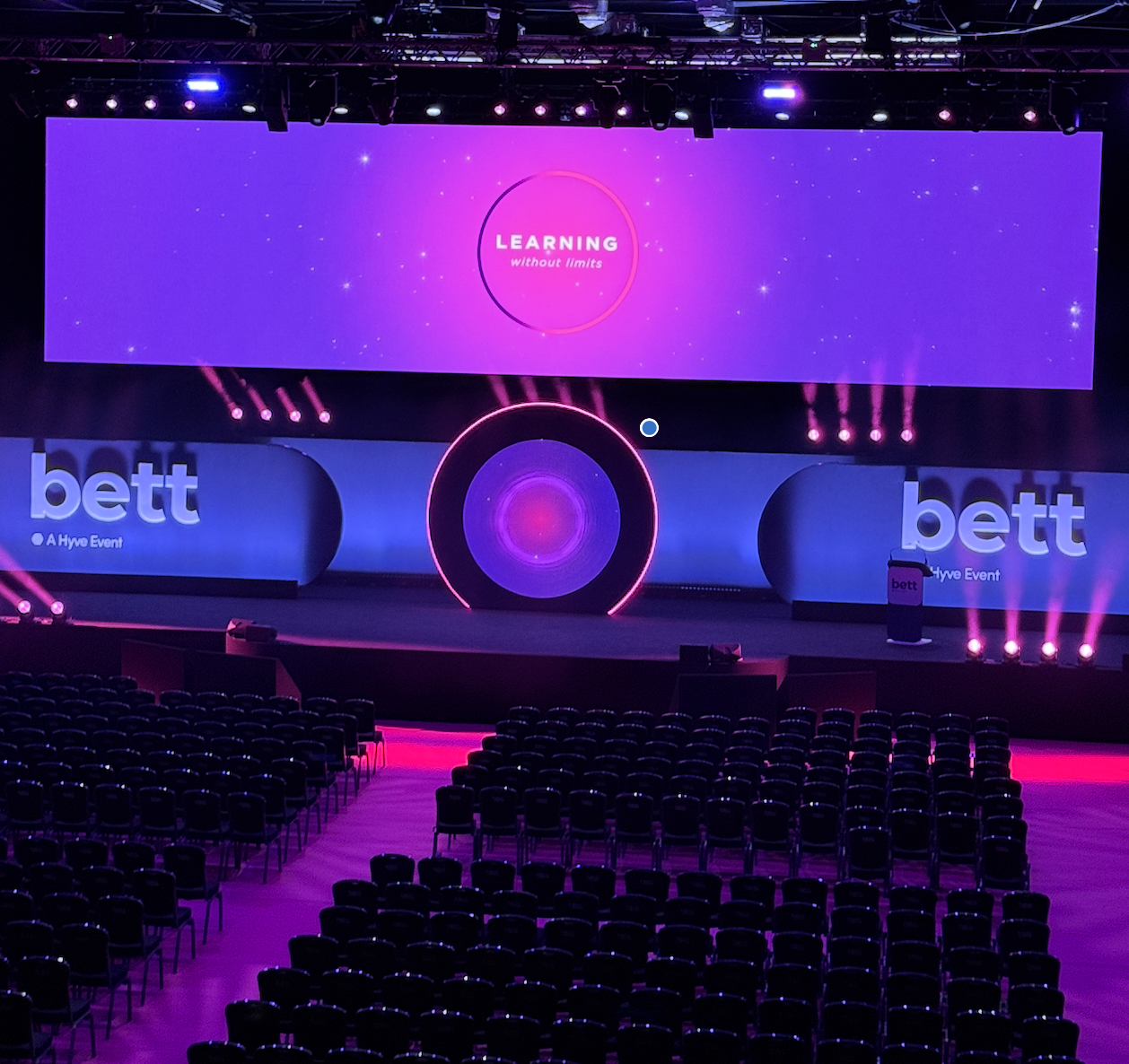
Bett UK 2026, once again staged at ExCeL London in January, brought together tens of thousands of educators, policymakers, EdTech innovators and industry leaders from around the world to explore what’s next in education technology. Against the overarching theme of “Learning without limits,” this year’s event spotlighted how AI, digital innovation, industry collaboration, and inclusivity are reshaping classrooms, higher education and the ecosystems that surround them.
AI in Education Takes Center Stage
Artificial intelligence was arguably the defining topic at Bett 2026, not just as a buzzword but as a force reshaping pedagogy, curricula and assessment.
- Industry giants such as Samsung showcased connected, AI-enabled learning ecosystems designed to personalise instruction, boost productivity and liberate educators from routine administrative burdens. Samsung’s vision focused on creating inclusive learning environments where devices and software work together across classrooms and levels of education.
- LEGO Education used the platform to highlight AI literacy grounded in hands-on learning, arguing that students should understand how AI systems work, not just how to use them. Their keynote and workshops emphasised building foundational comprehension and real problem-solving skills.
- The Council of Europe engaged with global stakeholders on AI and EdTech governance, underscoring the need for rights-based, accountable frameworks that balance innovation with ethical oversight.
- Turnitin’s sessions probed the evolving role of assessment in an AI era, warning that traditional models are struggling to keep pace with generative AI’s rapid adoption. The takeaway? Assessment must evolve, focusing on transparency, learning processes and academic integrity as AI becomes more embedded in educational practice.
Higher Education: Skills, Esports & Industry Partnerships
Bett UK 2026 extended its influence beyond K-12, with dedicated discussions around higher education transformation.
- Esports emerged as a rising strategic priority for universities, no longer confined to student clubs but recognised as a vehicle for developing teamwork, leadership, digital fluency and cross-disciplinary skills. Panelists argued that universities need to embed esports into academic and career pathways.
- Industry–academia partnerships took centre stage as a response to widening skills gaps, particularly in digital and AI roles. Speakers urged education institutions to collaborate more deeply with employers to co-design curricula that connect learning outcomes with real-world competencies.
These trends reflect broader pressures facing universities to remain relevant and responsive in the face of rapid changes in technology and labour market demands.
What Educators Are Talking About
Bett’s agenda was rich with voices from across the sector:
- Visionary keynotes and arena debates explored how AI is reshaping society and learning, and what that means for pedagogy, leadership, and policy.
- Panels on quality in digital education, student wellbeing and school governance sparked lively discourse on priorities beyond technology, from inclusivity to attendance and trust.
- Community-led spaces such as SEND Village and Women in EdTech offered a platform for peer exchange, mentorship and collaboration.
Beyond the Classroom: A Global Stage
Bett UK 2026 reaffirmed its role as a truly global forum:
- International delegations and country pavilions underscored education’s geopolitical and cultural dimensions, showcasing scientific and educational potential from across the world.
- More than 600 exhibitors and tens of thousands of attendees converged on ExCeL London, not just to see technology, but to define how it should be used to enrich learners’ lives and support educators’ missions.
Looking Ahead: A Responsible, Inclusive Learning Landscape
As Bett UK 2026 came to a close, several clear themes had emerged:
- AI is no longer optional, it’s becoming foundational to learning, assessment and educational administration, but educators are rightly questioning how to integrate it responsibly.
- Collaboration between education, industry and government is crucial to ensure that curricula, skills development and employability align with the realities of the future workforce.
- Equity and inclusion remain front of mind, with dedicated spaces and discussions around pedagogy that reaches every learner.
If Bett 2026 underscored one thing, it’s that the future of education isn’t solely about what technology can do, but how we choose to use it to empower teachers, students, and communities worldwide.